
A large group needs a holiday that works for everybody, from lively teens to relaxed grandparents. Greece tours manage that well, because the country places sparkling beaches, ancient ruins and good food close together. Extended families, groups of friends, clubs and company teams can share the famous sights. Later, each person can chase a favourite.
This guide travels through the regions, from the Cyclades to Athens, the classical mainland, Crete, Rhodes and Corfu. For every area, it explains what to see, which kinds of Greece tours suit a group, and what comes included. The team at My Greece Tours sees it every season. Shared trips create the best memories.
Where Do Group Greece Tours Go In The Cyclades?
Group Greece tours in the Cyclades often start with the cliff villages of Santorini and the windmills of Mykonos. They continue to sacred Delos, the Milos sea caves, old Naxos and Naoussa harbour. Groups weighing plans can explore Greece tours and Tours In Greece to find island days that suit a crowd.
What do groups see first in the Cyclades?
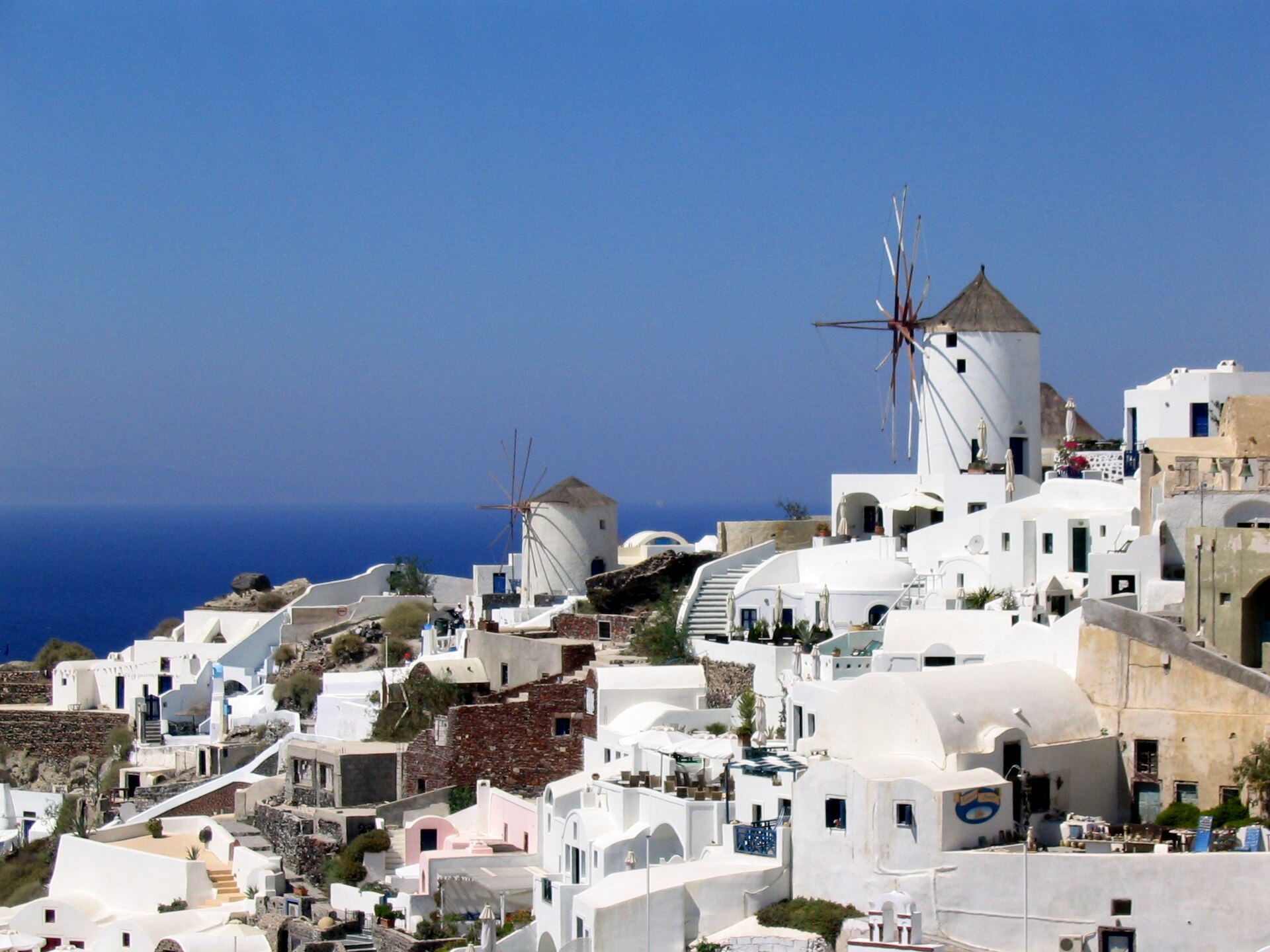
Santorini wins hearts right away. Its white villages, such as Oia and Fira, sit on the rim of a caldera. That is the huge bowl left behind when an ancient volcano sank. Blue domes and narrow alleys hang above the sea. Every evening, cheerful visitors gather along the cliffs and applaud the glowing sunset.
Mykonos has a famous line of windmills on a low hill beside the water. Long ago they ground grain for local bakers. Today they create the perfect group photo at dusk. A boat ride away lies Delos, a sanctuary, or sacred place. Greek myth says the god Apollo and his sister Artemis were born there.
Milos offers sea caves and white rock arches at Kleftiko, where pirates once hid. On Naxos, the old town climbs toward a castle built by rulers from Venice. A giant marble doorway from an unfinished temple stands by the harbour. On Paros, fishing boats fill Naoussa harbour, a lovely final stop on island Greece tours.
How do Greece tours move groups around the Cyclades?
Private tours with a driver-guide or a skipper are the easiest choice for extended families. They are priced per group, not per person, so everybody shares the cost and the group controls the pace. Grandparents can relax in the vehicle or on deck. Meanwhile, curious children can ask the guide endless questions.
Boat cruises with swim stops suit groups of friends who want sunshine and laughter. Snorkel and beginner scuba trips suit the active members, because an instructor teaches newcomers to breathe and float calmly. Groups staying on the mainland can still join full-day trips from Athens by coach, which carry everyone to the port and back.
Cooking classes and wine tastings work well for company teams and clubs. Everybody rolls up their sleeves, prepares a Greek salad or stuffed tomatoes, and then sits down to eat together. Santorini wine grows in dark volcanic soil. Tasting it gives quieter members a peaceful, tasty break from the busy beaches.
What is covered on Greece tours in the Cyclades?
Most boat days include lunch or a BBQ meal prepared on board. Nobody has to search for a table large enough for the whole party. Drinks are included too, and some cruises serve them without limit. That really matters for groups, because splitting a long bill at a crowded café can easily spoil the mood.
A licensed or local guide brings the islands to life. On Delos, the guide explains which ruins were houses, shops and temples, so the scattered stones finally make sense. Snorkel gear is provided on board as well. That saves families from packing masks and fins for every child in the group.
Swim stops in clear bays let everybody cool off between the sights. Free time to explore is equally useful, since the shoppers, the walkers and the coffee lovers can each go their own way. Wine tastings complete many Greece tours here, giving the whole group a calm and happy end to the day.
How do groups make the most of the Cyclades?
Start early, because the famous viewpoints get busy by late morning and the sun gets fierce. Bring hats, sunscreen, swimsuits and soft shoes for the steep, slippery alleys. Choose a meeting point at every stop, such as a church or a windmill. A shared group chat also makes sure nobody gets lost.
Groups planning Greek island hopping should book ferries early and pack lightly. Heavy suitcases slow everybody down on crowded docks. Choose islands that sit close together to reduce travelling. Leave the odd free afternoon, too, because tired people get grumpy. Regular rest keeps the whole group cheerful, patient and ready for the next trip.
Which Greece Tours In The Classical Sites Do Groups Remember?
The Greece tours to the classical sites that groups remember most visit Delphi, Meteora, Mycenae, Epidaurus, Nafplio, Ancient Olympia and the Corinth Canal. These places hold the ancient stories of gods, kings and athletes. A good guide turns the stones into a fun tale that everybody can follow, from the youngest member to the oldest.
What do groups see first in the classical sites?
Delphi sits high on the slopes of Mount Parnassus. The ancient Greeks called it the centre of the world. People came there to ask its oracle, a priestess who passed on advice from the god Apollo. Groups walk past small treasure houses, the Temple of Apollo and a theatre above a valley of olive trees.
The monasteries of Meteora balance on top of tall rock pillars. Long ago, monks were lifted up in nets pulled by ropes. At Mycenae, the Lion Gate guards the citadel, a walled hilltop fortress where legend says King Agamemnon lived. Its stone walls are so huge that later Greeks believed giants built them.
Epidaurus has an ancient theatre with amazing sound, so a whisper on stage reaches the highest rows. Nearby Nafplio is a pretty harbour town with fine old houses and a castle on the hill. Ancient Olympia is the birthplace of the Olympic Games. At Corinth, a narrow canal cuts straight through the solid rock.
How do Greece tours move groups around the classical sites?
Small-group tours suit families who want close attention from their guide. A large party can divide into several small-group tours, so every person stays near enough to listen. Full-day trips from Athens by coach suit clubs and bigger parties. The driver handles the roads, so everybody can nap, chat or watch the view.
Guided walking tours suit history clubs and curious children who love a good story. Entry tickets work for groups who want to explore at their own pace, perhaps with a parent reading aloud from a guidebook. These Greece tours leave plenty of room for long, lazy breaks under the shady pine trees.
Multi-day tours with hotel nights suit company teams and families who want to see everything without rushing. Such a trip can connect Delphi, Meteora and Olympia in a neat loop. Every night the group sleeps in a different town. The next site is then close by in the morning, so nobody faces long drives.
What is covered on Greece tours in the classical sites?
A licensed guide is the heart of these trips. Guides in Greece study hard and pass state exams before leading visitors around ancient sites. They explain myths, kings and battles in plain words. They also know where the shade and benches are, which keeps both the children and the grandparents happy and curious.
Entry tickets come included on many Greece tours, which saves a large group from waiting in long queues at the gate. The guide hands them out, and everybody walks in together. Nobody stands in the hot sun counting coins. The group can also head straight to the best spots before the midday heat builds.
Hotel nights on multi-day trips matter just as much. Rooms are booked ahead for the whole party, often in the same hotel. Nobody wanders around a small town after dark looking for a bed. Waking up near Delphi or Olympia also lets the group reach the gates early, while the paths stay cool and calm.
How do groups make the most of the classical sites?
Visit the famous sites early in the morning or late in the afternoon, when it feels cooler and quieter. Wear sturdy walking shoes, because ancient paths are rocky and uneven. Bring water, hats and snacks, since cafés inside the sites are rare. A light folding stool helps older members rest during longer talks.
Keep everybody together by choosing a leader at the front and another at the back. Agree on a meeting spot at every gate before people wander. The monasteries have a dress code, so pack long skirts or trousers and something to cover shoulders. A friendly chat about the next site keeps younger minds curious.
Which Greece Tours In Athens Give Groups Good Value?
Athens gives groups great value with Greece tours that combine the Acropolis and its museum with a stroll through Plaka. Many days finish with sunset at the Temple of Poseidon. Much of the old centre is easy to walk, so a group sees a great deal in even a short stay.
What do groups see first in Athens?
The Acropolis is a rocky hill crowned by the Parthenon, a temple built for the goddess Athena. Beside it stands the Erechtheion, where stone maidens called Caryatids hold up the roof instead of columns. Below the hill, the Acropolis Museum has glass floors, so visitors can look straight down on the ancient streets below.
The Ancient Agora was the old market square, where people shopped, argued and voted. The famous thinker Socrates once walked there, and its Temple of Hephaestus still stands almost whole. Nearby, a handful of giant columns mark the Temple of Olympian Zeus, built to honour Zeus, the mighty king of the Greek gods.
Plaka and Monastiraki are old neighbourhoods full of narrow lanes, gift shops, tavernas and a lively flea market. For the best view, groups ride or climb up Lycabettus Hill, the highest hill in central Athens. Along the coast, the Temple of Poseidon at Cape Sounion glows golden above the sea at sunset.

How do Greece tours move groups around Athens?
Private tours with a driver-guide suit extended families with small children or older relatives. The price is per group, and the vehicle waits at every stop. Tired legs can recover between the Acropolis and the coast. A private skipper can also take the group sailing from the Athens shoreline for a memorable day.
Boat cruises with swim stops along the Athens Riviera suit groups of friends who need a break from ruins. Guided walking tours suit history fans and curious teenagers, since the old centre is compact and full of stories. These Greece tours let a mixed group split by interest, then meet up later in Plaka.
Cooking classes and wine tastings are a favourite choice for company teams. The group shops for herbs and cheese, then learns to fold spinach pie or roll vine leaves together. Laughter comes easily whenever the pastry tears. Tasting Greek wines afterwards gives everybody a slow, friendly ending to a busy city day.
What is covered on Greece tours in Athens?
A licensed guide makes the Acropolis far more fun, because they share myths and building secrets that the signs leave out. A local guide also knows the quieter paths and the shadiest benches. For a large group, a guide with a clear, strong voice keeps everybody listening, laughing and moving at the same pace.
On boat days, lunch or a BBQ meal comes with the trip. Drinks are included as well, sometimes without limit. That keeps the day simple, since nobody needs to divide a long bill or hunt for a big table. Swim stops in calm coves let the group cool off after a hot morning exploring.
Wine tastings come with cooking classes and several evening tours. A friendly host describes each glass in simple words, and the group compares favourites before voting for a winner. For teams and clubs, these Greece tours turn a meal into a shared memory, rather than simply another stop on a busy list.
How do groups make the most of Athens?
Climb the Acropolis as soon as the gates open, before the heat and the cruise crowds arrive. Wear shoes with good grip, because the old marble is smooth and slippery. Carry plenty of water, sun hats and sunscreen. Save the hotel address on every phone, so anybody who wanders off can return easily.
Groups watching their spending can mix paid tours with free attractions in Athens, such as the changing of the guard at Syntagma Square. A stroll through the National Garden is another good choice. Plan a long lunch break during the hottest part of the day. Then head out again for sunset on Lycabettus.
Why Book Greece Tours In Crete, Rhodes And Corfu As A Group?
Groups book Greece tours in Crete, Rhodes and Corfu because these large islands combine beaches, castles and ancient palaces. There is plenty of variety for every age and interest. Each island also has busy harbours and boat trips to quiet coves, so a group never runs out of things to enjoy together.
What do groups see first in Crete, Rhodes and Corfu?
On Crete, Knossos was the great palace of the Minoans, an early civilization that ruled the island long before classical Greece. Legend says the Minotaur, a monster that was part man and part bull, lived in a maze underneath it. Nearby Heraklion offers a great museum of Minoan art and a sturdy harbour fortress.
Chania has a Venetian port with a lighthouse, colourful houses and seafood tavernas along the water. West of town, Balos lagoon shines turquoise over pale sand, and boats bring groups right to the beach. On Rhodes, the Street of the Knights is a stone lane where knights from across Europe once lived.
Above the white village of Lindos, an acropolis, or hilltop fortress, holds the ruins of a temple to Athena. Corfu Town is guarded by the Old and New Fortresses, which the Venetians built to keep invaders away. Further south, boats glide into the Blue Caves of Zakynthos, where the water glows electric blue.
How do Greece tours move groups around Crete, Rhodes and Corfu?
Private tours with a driver-guide suit extended families on large islands like Crete, where the sights are spread out. A private skipper suits groups of friends who want their own boat for the day. Both are priced per group, so the cost per person drops as more cousins, colleagues or club members join.
Boat cruises with swim stops suit everybody who loves the sea, from Balos to the Blue Caves. Guided walking tours suit history lovers in the old towns of Rhodes, Chania and Corfu. Entry tickets suit groups who prefer to explore Knossos or Lindos at their own pace, stopping wherever they like.
Full-day trips from Athens by coach suit groups who divide their holiday between the capital and the islands. Cooking classes and wine tastings suit company teams on Crete, which is famous for olive oil, wild herbs and village wine. These Greece tours give the quieter members a cosy, social day away from the beach.
What is covered on Greece tours in Crete, Rhodes and Corfu?
Island boat trips usually include lunch or a BBQ meal, often grilled on deck or on a quiet beach. Drinks are part of the package, and some cruises keep them flowing without limit. For a big party, that means no menus to argue over and no awkward bill to divide afterwards.
Swim stops are the highlight for children and teenagers, who can jump straight into clear water at Balos or near the Blue Caves. A licensed or local guide adds the stories, explaining the Minotaur myth at Knossos or the daily lives of the knights. A pretty view then becomes a lasting memory.
Entry tickets come with many Greece tours to Knossos and Lindos, so the whole group skips the ticket line and enters together. Wine tastings appear on village trips across Crete and Corfu. Local hosts pour their own wine, tell the story behind each bottle and make the group feel like old friends.
How do groups make the most of Crete, Rhodes and Corfu?
Book boat days early in the holiday, so a windy day can be swapped for a land tour. Bring swimsuits, towels, sunscreen and a light jacket for the breeze on deck. Count heads before the boat leaves every swim stop. Also give each family a leader who checks on their own people.
Large islands mean longer drives, so pack snacks and plan short breaks along the way. Groups who love the green Ionian islands around Corfu and Zakynthos often add Kefalonia, with its peaceful bays and hills. Keep the final evening free for a slow farewell dinner by the water, with everyone around the same long table.
Conclusion: Great Greece Tours For Groups Of All Sizes, Planned Well
Greece tours work best for groups when the plan mixes famous sights with easy days. The Cyclades offer boats and blue water, and the mainland offers ancient stories. Athens gives great value, while the large islands give a little of everything. Choose tour kinds that match the people in the group, not just the map.
Then check what is included, since meals, drinks, guides, tickets and swim stops all reduce stress. Read about the best time to visit Greece before booking, because spring and autumn bring gentler heat and smaller crowds. With careful planning, Greece tours give every group good stories to share for a long time.
Frequently Asked Questions About Great Greece Tours For Groups Of All Sizes
Can large groups stay together on Greece tours?
Yes, large groups can stay together on Greece tours by booking a private trip or filling an entire coach or boat. Choose a meeting point at every stop and name a leader for each family or team. A shared group chat also helps people find each other quickly in busy places.
Which season is quietest for Greece tours?
Late spring and early autumn are the quietest periods, with smaller crowds and milder heat at the famous sites. The sea stays warm enough for swim stops in early autumn, and the ruins feel calm. Winter is quieter still, although many island boats run less often, so plans need extra care.
How do groups pick the right Greece tours?
Start with the people in the group, not the sights on the map. List what the children, the walkers, the history fans and the beach lovers each want, then mix tour kinds to cover everybody. Check what is included, such as a guide, meals, drinks and entry tickets, before anyone pays.
Do Greece tours include a guide?
Most guided Greece tours include a licensed or local guide, especially at ancient sites like Delphi and the Acropolis. Boat cruises usually have a skipper and crew who share local tips and point out the prettiest coves. Entry-ticket options leave the group free to explore on its own, at a relaxed and easy pace.
Can Greece tours be private for one group?
Yes, many Greece tours can run as private trips with a driver-guide or a skipper. They are priced per group, so the cost spreads across everybody who joins. The group sets the pace, chooses the stops and keeps the day relaxed, which suits mixed ages, big clubs and extended families perfectly.
Can Greece tours mix islands and ancient sites?
Yes, and that mix is what makes the country so special. Groups can visit the Acropolis in Athens and sail to the Cyclades, or pair Knossos on Crete with a lazy day at Balos. Multi-day tours with hotel nights make the switch between ancient ruins and sunny islands smooth and easy.
How do groups manage tickets for Greece tours?
Groups handle tickets for Greece tours best when one person buys all passes online early and keeps a clear list of every traveler. This saves long waits at busy gates and stops one lost ticket from holding up the whole party.
Who should hold the group tickets?
A smart group picks one ticket keeper before Greece tours start. This person purchases the passes, stores them on a mobile phone and prints a paper copy. A second traveler holds a backup copy in case a phone battery suddenly dies.
Children and some students often receive reduced or free entry at public sites. They must show ID at the gate, so the ticket keeper needs a list of ages and cards before buying. Keep that personal information private and share it only with the people who need it.
On guided Greece tours, the guide often sorts out tickets as part of the plan. Only state-licensed guides may lead groups inside Greek archaeological sites, which means old ruins and dig sites, and museums. Groups can ask to see the guide’s license card before the walk starts.
Some Greece tours include entry in the group fee, while others leave tickets to the travelers. The group should ask which kind it has before anyone pays. Paying twice for the same site is an easy mistake during a busy, exciting week.
How do timed entry slots work for groups?
Busy places such as the Acropolis in Athens use timed entry slots. Each ticket shows a specific time to enter through the gate. A group that arrives late can lose its slot, so the itinerary needs a cushion of extra time.
Early morning slots are cooler and less crowded during summer. They suit groups with elderly relatives or young children who tire in the heat. Parents can find more ideas in these family travel tips for Greece.
Big groups should avoid splitting across several slots unless necessary. One shared slot keeps the guide’s explanation together. If the group has to split, each smaller team needs its own leader and its own copy of the tickets.
Museum visits on Greece tours need the same care. Large museums ask guided groups to book an entry time ahead, and the guide usually arranges this. Arriving on time keeps the visit calm and lets everyone enjoy the rooms without rushing.
How do groups budget for Greece tours?
Groups budget for Greece tours by setting up one shared fund for joint costs. This covers guides, transport and tickets, while each person pays for meals and gifts. This simple division keeps money conversations short and friendly.
What should a shared group fund cover?
A shared fund works best when everyone agrees on what it pays for before the trip. Clear rules prevent arguments later, when everyone is tired and overheated. The treasurer writes the list down and shares it in the group chat.
- Guide fees for city walks and site visits
- Coach or minibus hire between towns
- Entry tickets for sites and museums
- Ferry tickets between the islands
- Thank-you tips for drivers and guides
Personal costs stay outside the fund, so snacks, drinks, gifts and extra activities belong to each traveler. This way, people who eat less or skip a trip do not pay for others.
A simple shared notes page tracks every payment from the fund. The treasurer adds each cost on the same day it happens. At the end of Greece tours, everyone sees where the money went, and any leftover cash goes back fairly.
How can groups spend less on Greece tours?
Bigger groups often pay less per person for guides and coaches. The total cost is divided among more people, so each individual share drops. For many friends and families, private tours for a group cost about the same as separate tickets.
Travel in spring or autumn also helps, since rooms, ferries and coaches cost less outside the peak summer weeks. These budget tips for Greece visitors show more ways to save without missing the best parts.
Packing light saves money too, because smaller bags fit on one minibus instead of two. Nobody pays for extra luggage either. This guide to packing light for island tours keeps bags small and useful.
Eating where locals eat is another easy win on Greece tours. Family tavernas away from the main squares serve big shared plates at fair prices. Groups can order several dishes for the table, which often costs less than single meals.
Free activities also fill the gaps between paid visits on Greece tours. Walking through old town lanes, swimming at public beaches and watching the sunset cost nothing. Mixing paid and free days keeps the budget calm and the mood relaxed.
How do big groups book Greece tours early?
Big groups book Greece tours early by fixing dates, numbers and a deposit plan well ahead, then locking in guides, coaches, rooms and ferries. Popular dates for Greece tours fill fast in summer, so early planning gives the group the widest choice.
When should a group start planning Greece tours?
Planning starts with a head count and a date range. A rough count is fine at first, but it needs to firm up before deposits are paid. The organizer asks each person to confirm by a set deadline.
Peak summer weeks and the Greek Easter holiday fill up especially fast. Big groups need many rooms in one place and seats on the same coach. Booking well ahead is the surest way to keep everyone in the same hotel.
Before paying anything, the group should agree on the kind of trip it wants. This guide to choosing the right tour helps compare pace, style and comfort. It saves the group from booking Greece tours that suit only a few people.
How do groups lock in guides, coaches and ferries?
Experienced guides and coaches come first, because the best ones book up early. Next come rooms near the main sites or ports, and ferries follow once the route is clear.
Ferry seats matter especially for larger groups. Many routes sell out in high season, and finding many seats together on the day is hard. These tips on booking ferry seats early explain routes, seat types and timing.
Some groups prefer an escorted plan, where a tour leader stays with them from start to finish. Picking the right escorted tour itinerary depends on the group’s pace and interests. Escorted Greece tours also make the deposit and payment steps easier to follow.
Every booking for Greece tours comes with terms about deposits, changes and cancellations. The organizer reads them carefully and shares the key points with the group. Travel insurance that covers group trips adds peace of mind for everyone involved.
Written confirmations for every booking matter too. The organizer keeps them in one shared folder that a few trusted people can open. That way, no single person is the only one who knows the plan.
How do groups keep everyone together on Greece tours?
Groups keep everyone together on Greece tours by naming a leader, setting clear meeting points and times, and keeping a shared group chat open. Simple habits, like head counts at every stop, take only seconds and prevent long and stressful searches.
How do meeting points and head counts help?
Every stop needs an obvious meeting point that everyone can easily find again. A big sign, a fountain or a church door works well. The leader picks a spot in the shade, since the summer sun is strong.
Head counts stop people from being left behind on Greece tours. The leader counts before the coach leaves, after a ferry lands and when leaving a site. Some groups use a buddy system, where each person checks on one partner.
Ports are often the busiest stops on Greece tours that include islands. Crowds, cars and loud announcements make it easy to lose someone. These ferry travel tips explain how to board calmly and stay together on deck.
A shared group chat works as the notice board on Greece tours. The leader posts the daily plan, meeting points and any changes there. Location sharing among a few trusted members also helps find anyone who wanders off.
How do groups stay safe and polite on Greece tours?
Staying together is also about safety, so everyone should carry the hotel name, the leader’s phone number and some water. These simple safety tips for Greece help groups avoid common problems like heat, pickpockets and lost phones.
A large group gets noticed, so respectful manners matter. Covered shoulders and knees are expected in churches and monasteries, and loud voices stand out at holy places. This guide to polite habits in Greece explains what locals expect.
Knowing a few words also helps when someone gets separated. Simple Greek phrases for travelers, such as hello and thank you, open many doors. Locals respond warmly when visitors try, even with a strong accent.
At the end of each day, a short check-in keeps the group in tune. The leader shares the next meeting time and place in the chat. Everyone replies, so the leader knows the message arrived.
Which Greece tours suit a birthday group?
Birthday groups enjoy Greece tours that mix a relaxed day out with a special dinner. A boat trip, a beach afternoon and a lively taverna evening work well. The birthday person gets a day to remember, and everyone else has plenty of fun too.
What makes a birthday day out in Greece special?
A private boat trip is a favorite choice for birthday Greece tours. The group gets its own deck, swims in clear coves and eats lunch on board. It feels like a party without any of the hosting work.
Beach days are another easy option for mixed groups of friends. Some people want to swim, while others prefer shade, a book and a cold drink. This guide to the best beaches in Greece helps groups find sandy spots with space for everyone.
Timing also matters for a birthday trip, since a date that lines up with a local celebration adds music, lights and street food. Groups can check these seasonal events in Greece before fixing the dates. A birthday during a local celebration feels as if the whole town has joined the party.
Gentle mornings suit the day after a late party. A slow stroll through an old town, with coffee stops and shade, keeps everyone in good spirits. Birthday Greece tours work best with easy mornings and big evenings.
How do groups plan a birthday dinner on Greece tours?
The birthday dinner is often the highlight of the trip. Family tavernas welcome big tables and serve meze, which means many small plates shared by everyone. Sharing food keeps the table lively and makes it easy to try many dishes.
Some Greece tours include a cooking class or a food walk before dinner. The group learns how local dishes are made and tastes them along the way. This guide to Greek food to try on tour lists dishes worth ordering.
Live music turns a good dinner into a real party. Some tavernas offer Greek music on busy evenings, often with the bouzouki, a long-necked string instrument. Groups should book the table early and mention the birthday when booking.
A small surprise makes the evening even better. Friends can bring a cake, a short speech or a photo book of shared memories. These personal touches turn ordinary Greece tours into a birthday nobody forgets.
Which Greece tours suit an anniversary group?
Anniversary groups do best on Greece tours with romantic settings, like island sunsets, calm sailing days and quiet dinners by the sea. These trips often bring a couple together with family or friends, or join several couples marking the same milestone. The pace stays gentle and the moments stay personal.
Where do anniversary groups watch the sunset?
Sunset is the main event on many anniversary Greece tours. Island cliffs, old castles and quiet harbors all glow gold as the sun drops. These best sunset spots in Greece help groups pick a place before the crowds arrive.
Photos matter a great deal on an anniversary trip. A local photographer can follow the group during the golden light before sunset, capturing natural moments instead of stiff poses. The couple then has pictures worth framing for years to come.
Big groups do better at less famous viewpoints. The most popular cliffs fill fast in summer, which makes photos and toasts harder. A quieter spot gives the couple room for a speech and a relaxed group photo.
Some couples renew their wedding vows during the trip. A short, simple ceremony on a terrace or beach, with family watching, makes the day special. Local planners can arrange flowers, music and a photographer.
How do sailing days work for anniversary Greece tours?
A sailing day gives anniversary groups privacy and calm. The boat stops at quiet bays for swimming, and lunch is served on deck. Many couples call it the best part of their Greece tours.
Longer trips at sea also suit bigger anniversary parties. A group can book several boats that sail together and meet each evening in a new harbor. This guide to sailing holidays in Greece explains how these trips work.
Not every guest enjoys the sea, so a land option helps. Wine tastings, village walks and slow lunches give everyone a calm day. Mixing sea and land keeps the whole family happy on Greece tours.
The anniversary dinner works best at a table by the water. Fresh fish, local wine and candlelight set a warm mood. A short toast from family or friends rounds off the evening.
Which Greece tours suit a family reunion?
Family reunions suit slow Greece tours with short travel days, easy walks and big shared meals, so every generation can join in. Grandparents, parents and children all need a pace that works for them. A single base with day trips often works better than moving every night.
How do family reunions plan Greece tours for all ages?
A large villa or a block of rooms in one hotel keeps the family close. Day trips leave from the same base, so nobody packs and unpacks every morning. Evenings stay free for long dinners together.
Site visits work best when they are short and well timed. Morning visits avoid the midday heat, which matters for grandparents and small children. A licensed guide can tell stories that keep teens and kids interested.
Accessible paths also matter for older relatives, since many classical sites have uneven stone and steep steps. Planners check the routes in advance, and choosing flatter sites keeps everyone included on reunion Greece tours.
Large families also need clear roles on Greece tours. One relative handles money, another tracks the schedule, and a third looks after special diets or medicines. Sharing these jobs stops one person from carrying the whole trip.
Free afternoons give each branch of the family some breathing room. Some relatives swim, some nap and others explore nearby towns. Groups can read about getting around by public transport for these short side trips.
How can a reunion connect with Greek traditions?
Many families with Greek roots plan a visit to an ancestral village, which means the home village of their grandparents. A local guide can help find old churches, family graves and records. These visits often become the heart of family Greece tours.
Traditions give the family something to share across ages. Village feasts, folk dances and name day parties, which honor the saint a person is named after, welcome visitors warmly. These ideas on local Greek traditions show how to join in respectfully.
Timing a reunion with a local festival adds extra joy. Summer village festivals, called panigyria, bring music, dancing and long tables of food. This guide to Greek festivals by season helps families choose the right dates.
Food also ties the generations together. A cooking afternoon with a local family lets grandparents share old recipes while children help shape bread or fold pastry. Everyone then sits down to eat what they made together.
Which Greece tours suit a team reward trip?
Team reward trips suit Greece tours that mix shared adventure, good food and free time, so colleagues bond away from work. The best trips feel like a thank-you, not a training day. A clear plan with room to relax keeps spirits high.
Which activities work for a team on Greece tours?
Active days help teams bond in a natural way. Sea kayaking, coastal walks and boat trips give colleagues a shared goal and plenty to laugh about. These outdoor adventure activities suit teams with mixed fitness levels.
Hiking days are another strong choice, since trails through gorges, olive groves and mountain villages offer great views and easy chat along the way. This list of top hiking trails in Greece includes routes for beginners and keen walkers. Spring and autumn bring cooler air, which makes long walks far more pleasant.
Not every activity needs to be active, and cooking classes, wine tastings and old-town walks suit colleagues who prefer a calmer pace. Mixing both kinds of days keeps every member of the team happy.
Culture adds depth to team Greece tours. A licensed guide at a classical site can turn old stones into lively stories about leaders and teamwork. Many teams find these talks more memorable than any meeting room.
How do companies organize team Greece tours?
A clear organizer makes team trips run smoothly by handling the budget, the head count, special diets and the schedule. This guide for group organizers covers the main steps in plain terms. Early answers on these points prevent last-minute stress for the whole team.
Mixing people on purpose helps colleagues meet coworkers they rarely see. Organizers can shuffle seating at dinners and pair people from different departments on activity days. These small choices turn a reward trip into lasting working friendships.
Big teams often travel on one coach with a tour leader. The leader handles transfers, tickets and timing, so staff can relax. Keeping the schedule light, with free afternoons, makes the reward feel real.
A final group dinner is the natural close to team Greece tours. A short thank-you speech from the boss, good food and music round off the trip. Staff go home with shared stories that last long after the photos fade.
Which places do Greece tours for groups visit?
Greece tours for groups visit the Cyclades islands, the classical sites of the mainland and the large islands of Crete, Rhodes, Corfu and Zakynthos. Each place offers something different, from beaches and sunsets to temples and old towns. The lists below show what each one is best known for.
Islands
The Cyclades are a ring of sunny islands in the middle of the Aegean Sea. Ferries link them, so groups can hop between them on one trip. Each island has its own mood, from lively harbors to quiet sandy coves.
- Santorini: cliff-top white villages, blue domes and famous volcanic sunsets
- Mykonos: windmills, Little Venice, lively beaches and busy evening streets
- Naxos: long sandy beaches, mountain villages and a giant marble temple doorway
- Paros: relaxed fishing harbors, sandy coves and charming whitewashed lanes
- Milos: white moon-like rocks, colorful boathouses and sea caves reached by boat
Mainland
The mainland holds the most famous classical sites, the places where ancient Greek life, sport and religion took shape. Many are day trips from Athens by coach, and a licensed guide brings the old stones to life for the whole group. Comfortable shoes and sun hats make these visits far easier.
- Athens: the Acropolis, the Parthenon temple and lively old neighborhoods
- Delphi: mountain ruins where ancient Greeks asked the gods for advice
- Olympia: the birthplace of the ancient Olympic Games, with its old stadium
- Mycenae: the massive Lion Gate and royal tombs of legendary kings
- Epidaurus: an ancient stone theater with amazing natural sound
Large islands
The large islands feel like small countries, with mountains, towns and long coastlines. Groups can stay longer and still find new places every day. Flights from Athens reach all of them, and ferries serve them from mainland ports.
- Crete: the ancient palace of Knossos, deep gorges and great local food
- Rhodes: a walled medieval Old Town and the hilltop acropolis of Lindos
- Corfu: a Venetian old town, green hills and calm, clear bays
- Zakynthos: the famous Shipwreck Beach, blue sea caves and nesting sea turtles
How do groups plan Greece tours over four days?
Groups plan Greece tours over four days by starting in Athens and adding a mainland site day. The trip then ends with a short island stay. This mix gives the group history, scenery and sea time without rushing from place to place.
Start Greece tours in Athens
Athens makes the best starting point, since most international flights land there. The first morning goes to the Acropolis, the rocky hill above the city crowned by the Parthenon temple. A state-licensed guide leads the group and explains how ancient Athenians lived and worshipped.
Early entry helps groups beat the heat and the biggest crowds. After the climb, the Acropolis Museum sits a short walk away and holds many treasures from the hill. Its cool rooms give older travelers a welcome break.
The afternoon suits a slow walk through Plaka, the old quarter below the hill. Narrow lanes, small shops and shady squares are easy to explore together. Groups can stop at a taverna for a long shared lunch.
Evening brings a different side of Athens. Rooftop terraces look straight at the lit-up Acropolis, which makes a fine spot for a welcome dinner. The changing of the guard at Syntagma Square, the main square by Parliament, is another free sight.
Athens also suits groups with mixed interests on Greece tours. Food lovers can join a walk through the central market, while history fans visit the National Archaeological Museum. Everyone meets again at dinner to share the best stories of the day.
Some groups mix guided days with free time on their own terms. These tips on self-guided itinerary planning help organizers balance both. A good balance keeps Greece tours relaxed instead of packed.
Add a mainland site day
The second day suits a full trip from Athens to a classical site. Delphi, high in the mountains, was home to the ancient oracle, a priestess people asked for advice from the gods. The ruins and the views over the olive valley impress every age.
Another option heads to the Peloponnese, the large peninsula southwest of Athens. Groups can see the Lion Gate at Mycenae, then the great theater at Epidaurus on the same day. The theater’s sound is so clear that a whisper on stage reaches the top rows.
Groups with extra energy can add Nafplio, a pretty seaside town that was once the first capital of modern Greece. Its old lanes, harbor cafes and hilltop fortress make a fine stop on the way back. The town suits a slow evening stroll before the drive to Athens.
Coach travel makes these long days comfortable for groups. Everyone rides together, and the guide uses the drive to share stories and plan the stops. Rest stops at roadside cafes break up the journey.
Groups should pack water, hats and good shoes for these days. Ancient paths are rocky, uneven and often without much shade. Light layers also help, since mountain sites feel cooler than the city.
A mainland day gives Greece tours real depth. The group walks through the places behind famous myths, not just pictures in a book. Back in Athens, a relaxed dinner closes the day.
End Greece tours on an island
The last part of the trip suits a short island stay. Ferries leave from Piraeus, the main port of Athens, to many islands within easy reach. Saronic islands such as Hydra and Aegina are close, while Cycladic islands take longer by sea.
Hydra has no cars, so donkeys and water taxis move people around its stone harbor town. Aegina is famous for pistachios and an ancient temple on a pine-covered hill. Both islands work well for groups that want calm days.
Groups with a bit more time head further into the Aegean. This list of the top Greek islands to visit helps compare beaches, villages and travel times. Island stops are often the highlight of Greece tours for groups.
Island days should stay loose and simple. A morning swim, a long lunch by the water and a walk at sunset fill the hours well. Groups that rush between too many sights miss the slow pace that makes islands special.
The final evening should feel like a celebration. A seafood dinner by the harbor, with boats rocking nearby, gives the trip a warm ending. The group then takes a morning ferry back to Athens for flights home.
Groups that enjoy this short plan often return for longer Greece tours. This longer Athens, Santorini and Mykonos itinerary shows how the same idea stretches across a full week. It adds more island time, more beaches and more relaxed evenings together.
More questions about Greece tours for groups
Groups often ask the same practical questions about Greece tours, from tipping and photo stops to language, access and weather. Short, clear answers follow below.
Is tipping expected on Greece tours?
Tipping is not required on Greece tours, but guests often give guides and drivers a small tip when the service has been good. Groups often collect one shared tip and hand it over at the end. This feels simpler and more personal than many separate tips.
Do Greece tours stop for photos?
Yes, most Greece tours build in photo stops at viewpoints, famous ruins and pretty villages, and guides happily pause when the group asks. Some museums and sites limit flash or tripods, so the guide explains the rules on arrival. Group photos work best early, before crowds fill the frame.
Do Greece tours run in English?
Yes, English is widely used on Greece tours, and licensed guides in busy tourist areas speak it well. Private group tours can often book guides who speak other languages too. Groups should ask for their preferred language when booking.
Are Greece tours suitable for wheelchair users?
Some Greece tours suit wheelchair users, especially in modern museums and city centers, but many ancient sites have rough ground and steep steps. The Acropolis has a lift for visitors with limited mobility, though access can change with weather and repairs. Groups should share access needs early so planners can choose suitable routes.
What happens if weather cancels Greece tours?
When weather cancels Greece tours, organizers usually move the trip to another day or give a refund, depending on the booking terms. The meltemi, a strong summer wind in the Aegean, sometimes stops ferries and boat trips. A flexible plan with a spare day protects the group’s must-see stops.
Can groups thank a guide on Greece tours?
Yes, groups can thank a guide on Greece tours with a shared tip, a handwritten card or kind words shared online. A group photo with the guide also makes a lovely memory. Simple thanks in Greek, such as efharistó, which means thank you, always brings a smile.
See more in Callgirlsacademy:
- Call Girls Πειραιάς: Οδηγός για Συνοδούς στο Λιμάνι, το Μικρολίμανο και την Καστέλλα
- Call Girls Γλυφάδα: Πλήρης Οδηγός για Συνοδούς στη Νότια Αθηναϊκή Ριβιέρα
- 10 Συμβουλές για περισσότερη ερωτική διάθεση σε μια μακροχρόνια σχέση
- 11 κινήσεις που εγγυώνται έντονο οργασμό
- 11 Τρόποι να αποδείξεις την αγάπη σου